Applymmjcard
Company
How It Works
Blogs
FAQ
Renew Your Card
Contact Us
Select Your State
PA
Pennsylvania
AZ
Arizona
DE
Delaware
MD
Maryland
OH
Ohio
WV
West Virginia
VA
Virginia
MI
Michigan
OK
Oklahoma
Book AppointmentLog In
How It Works
Blogs
FAQ
Renew Your Card
Contact Us
PA
Pennsylvania
AZ
Arizona
DE
Delaware
MD
Maryland
OH
Ohio
WV
West Virginia
VA
Virginia
MI
Michigan
OK
Oklahoma
Book Appointment
Applymmjcard

The trusted telemedicine platform for medical marijuana evaluations. Fast, secure, and professional service with licensed doctors.

info@applymmjcard.com
+1 206-336-3898

company

  • About Us
  • How It Works
  • Blogs

states

  • Pennsylvania
  • Arizona
  • Delaware
  • Maryland
  • Ohio
  • West Virginia
  • Virginia
  • Michigan
  • Oklahoma

support

  • FAQ
  • Contact Us
  • Privacy Policy
  • Terms and Conditions
  • Refund Policy

Medical Disclaimer: Applymmjcard connects patients with independent, state-licensed physicians for telemedicine evaluations. We do not provide medical advice, diagnosis, or treatment. All medical decisions are made solely by licensed doctors. Approval for medical marijuana is at the physician's discretion based on your medical history and qualifying condition. This service is for residents of states with legal medical marijuana programs only.

© 2026 Applymmjcard. All rights reserved.

PrivacyTermsRefund

Is a Medical Marijuana Card Worth It in 2026?
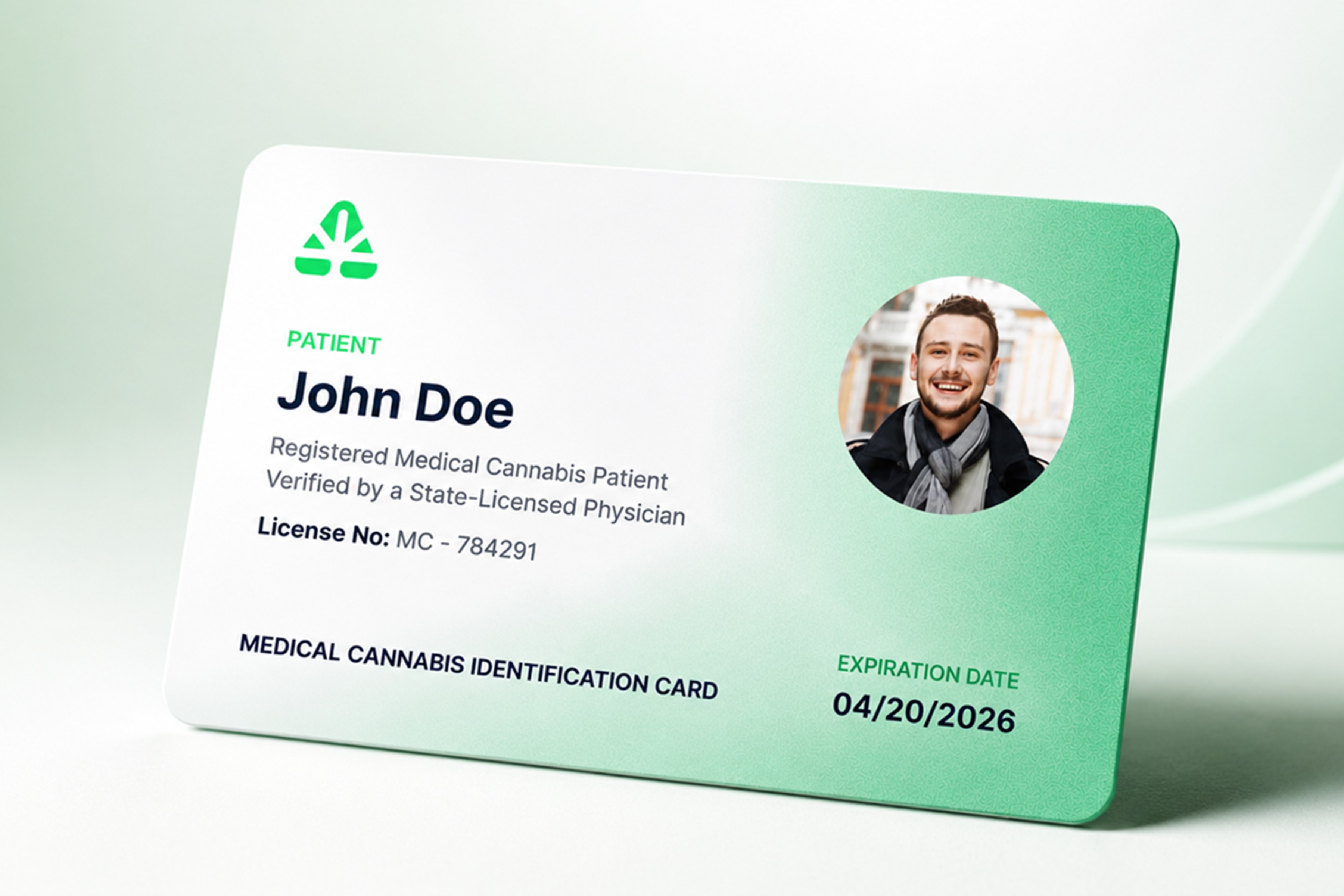
As medical cannabis programs continue to evolve across the United States, many patients are asking whether obtaining a medical marijuana card is still worth it in 2026. This guide explores the potential benefits, costs, eligibility requirements, legal considerations, and how a medical marijuana card may provide access to professional healthcare guidance and state-approved medical cannabis programs.

If you're considering medical cannabis, you may be asking yourself: Is getting a medical marijuana card still worth it in 2026? For many patients, the answer is yes. Depending on your state's laws, an MMJ card may provide access to licensed dispensaries, lower taxes, expanded purchase limits, and professional medical guidance throughout your treatment journey.

Even in states where medical cannabis is more accessible, having a medical marijuana card can still provide added benefits. Depending on where you live, an MMJ card may offer access to physician-guided care, lower taxes, higher purchase limits, and other state-specific advantages. That's why many patients continue to participate in their state's medical marijuana program in 2026.

Why Is a Medical Marijuana Card Worth It in 2026?

Medical Marijuana Card is worth it in 2026 because of both personal benefits and also when it comes to regulations. But you should know that Benefits vary by state laws and individual circumstances. Cannabis remains regulated differently under federal and state law. The basic benefits you can get via Medical Marijuana Cards are:

1. Legal and Workplace Protection with MMJ Cards

The MMJ Card gives legal and workplace protection (but workplace outcomes depend on employer policies and local regulations) with underage access, child custody rights, employment protection and DUI Defence Support.

  • The MMJ Card protects people under 20 (Medical programs may allow qualified patients under specific age requirements depending on state regulations) from access to Medical Cannabis, which is generally not allowed for those over 21 years.
  • In some states, registered medical marijuana patients may receive certain employment protections. However, workplace policies and employer requirements vary, and an MMJ card does not guarantee protection from disciplinary action.
  • Having a legal MMJ Card can help parents in family court by creating a defence system for them. In some jurisdictions, lawful participation in a medical marijuana program may be considered differently than unlawful cannabis use in family law matters. Outcomes depend on the facts of each case and applicable laws.
  • An MMJ card does not permit driving while impaired. However, proof of lawful medical use may be relevant in certain legal situations, depending on state laws and case-specific circumstances.

2. Financial Benefits with MMJ Cards

Holding a Valid MMJ Card can give you the benefit of a tax exemption (depending on states’ law), where you can save 10% and 30% per purchase (may reduce costs depending on state tax structure). The low-income patients can also get discounts, loyalty points, and subsidised pricing while buying medical CBD from exclusive dispensaries. MMJ Card also allows you to possess higher limits of Medical Marijuana, which results in lower per-gram wholesale rates.

3. Access to High Quality Products

The patients holding an MMJ card can have access to high-quality cannabis. You can buy extra-strength tinctures and an extra dose of edibles. The patients holding an MMJ Card also get a dedicated supply of medicine even during a shortage of supplies. And in many cases, you are directed to a medical professional for a detailed checkup.

The Key Advantages in 2026 of Having an MMJ Card

  • Big Tax Savings:
    The biggest benefit is saving money. People who buy cannabis for recreation usually pay high taxes (around 10% to 30% or more). But medical card holders often pay little to no tax. So if you spend about $150 a month, the savings can cover the cost of the card in just a few months.
  • Home Growing Rights:
    In many places, only medical cardholders are allowed to grow cannabis at home. This can help you save a lot of money over time because you don’t need to buy as much from stores.

What are the Considerations Before Applying for an MMJ Card?

As we know, there are many financial and legal benefits, but you should keep the following things in mind when applying for an MMJ card:

Cost to Get an MMJ Card: You have to pay for a doctor visit and a state registration fee. Together, this usually costs about $100 to $200, depending on the state and Laws.

Gun Ownership Rule for People Using Medical Cannabis: Federal law does not allow people who use medical cannabis to buy or own firearms legally. (Under federal law, cannabis use may affect firearm ownership eligibility in certain cases)

MMJ Medical Guidance: The card also gives you access to trained doctors who can guide you on the right dosage, how to use it safely, and warn you about possible medication interactions.

Financial Math Breakdown for an MMJ Card

To figure out when you start saving money, it depends on whether each state allows recreational cannabis and how much tax they charge.

In some states, taxes are so high that regular users can get back the money they spent on a medical card within just a few months.

If we assume it costs about $150 total to get started (doctor visit + state fee), then we can compare how long it takes to “break even” in each state.

1. “Immediate Savings” States (High Taxes on Recreational Use)

In these states, recreational cannabis has high taxes, but medical users pay much less or almost no tax at all.

Examples:

Arizona

  • Recreational tax: about 22.6%
  • Medical tax: about 6.6%
  • If you spend around $235 per month, you save about $37.60 monthly

Delaware

  • Recreational tax: 15%
  • Medical tax: 0%
  • If you spend around $250 per month, you save about $37.50 monthly

Maryland

  • Recreational tax: 12%
  • Medical tax: 0%
  • If you spend around $313 per month, you save about $37.50 monthly

Ohio

  • Recreational tax: about 16%
  • Medical tax: about 6%
  • If you spend around $375 per month, you save about $37.50 monthly

Simple takeaway:
If you live in states like Arizona, Delaware, Maryland, or Ohio and spend around $200–$300 per month, you can recover the $150 card cost in about 4–5 months. After that, the savings are basically profit.

2. “Medical-Only” States

These states don’t fully allow recreational cannabis, so medical cards are essential.

Pennsylvania

  • No legal recreational cannabis
  • Medical users pay no sales tax
  • The card is the only legal way to buy cannabis, so it provides immediate legal access and savings

West Virginia

  • Also medical-only
  • Dispensaries include a built-in 10% tax in prices
  • A medical card is required to legally access products

Extra Ways You Save Money

  • Discounts: Many dispensaries give 10%–15% discounts or special “medical patient” deals
  • Stronger products: Medical users can often buy higher-strength products, so they may need less overall to get the same effect
Home/Blogs/Is a Medical Marijuana Card Worth It in 2026?
▤Guide

Is a Medical Marijuana Card Worth It in 2026?

◳June 9, 2026
◷6 min read
Is a Medical Marijuana Card Worth It in 2026?
≡

Table of Contents

  • Why Is a Medical Marijuana Card Worth It in 2026?
  • The Key Advantages in 2026 of Having an MMJ Card
  • What are the Considerations Before Applying for an MMJ Card?
  • Financial Math Breakdown for an MMJ Card

If you're considering medical cannabis, you may be asking yourself: Is getting a medical marijuana card still worth it in 2026? For many patients, the answer is yes. Depending on your state's laws, an MMJ card may provide access to licensed dispensaries, lower taxes, expanded purchase limits, and professional medical guidance throughout your treatment journey.

Even in states where medical cannabis is more accessible, having a medical marijuana card can still provide added benefits. Depending on where you live, an MMJ card may offer access to physician-guided care, lower taxes, higher purchase limits, and other state-specific advantages. That's why many patients continue to participate in their state's medical marijuana program in 2026.

Why Is a Medical Marijuana Card Worth It in 2026?

Medical Marijuana Card is worth it in 2026 because of both personal benefits and also when it comes to regulations. But you should know that Benefits vary by state laws and individual circumstances. Cannabis remains regulated differently under federal and state law. The basic benefits you can get via Medical Marijuana Cards are:

1. Legal and Workplace Protection with MMJ Cards

The MMJ Card gives legal and workplace protection (but workplace outcomes depend on employer policies and local regulations) with underage access, child custody rights, employment protection and DUI Defence Support.

  • The MMJ Card protects people under 20 (Medical programs may allow qualified patients under specific age requirements depending on state regulations) from access to Medical Cannabis, which is generally not allowed for those over 21 years.
  • In some states, registered medical marijuana patients may receive certain employment protections. However, workplace policies and employer requirements vary, and an MMJ card does not guarantee protection from disciplinary action.
  • Having a legal MMJ Card can help parents in family court by creating a defence system for them. In some jurisdictions, lawful participation in a medical marijuana program may be considered differently than unlawful cannabis use in family law matters. Outcomes depend on the facts of each case and applicable laws.
  • An MMJ card does not permit driving while impaired. However, proof of lawful medical use may be relevant in certain legal situations, depending on state laws and case-specific circumstances.

2. Financial Benefits with MMJ Cards

Holding a Valid MMJ Card can give you the benefit of a tax exemption (depending on states’ law), where you can save 10% and 30% per purchase (may reduce costs depending on state tax structure). The low-income patients can also get discounts, loyalty points, and subsidised pricing while buying medical CBD from exclusive dispensaries. MMJ Card also allows you to possess higher limits of Medical Marijuana, which results in lower per-gram wholesale rates.

3. Access to High Quality Products

The patients holding an MMJ card can have access to high-quality cannabis. You can buy extra-strength tinctures and an extra dose of edibles. The patients holding an MMJ Card also get a dedicated supply of medicine even during a shortage of supplies. And in many cases, you are directed to a medical professional for a detailed checkup.

The Key Advantages in 2026 of Having an MMJ Card

  • Big Tax Savings:
    The biggest benefit is saving money. People who buy cannabis for recreation usually pay high taxes (around 10% to 30% or more). But medical card holders often pay little to no tax. So if you spend about $150 a month, the savings can cover the cost of the card in just a few months.
  • Home Growing Rights:
    In many places, only medical cardholders are allowed to grow cannabis at home. This can help you save a lot of money over time because you don’t need to buy as much from stores.

What are the Considerations Before Applying for an MMJ Card?

As we know, there are many financial and legal benefits, but you should keep the following things in mind when applying for an MMJ card:

Cost to Get an MMJ Card: You have to pay for a doctor visit and a state registration fee. Together, this usually costs about $100 to $200, depending on the state and Laws.

Gun Ownership Rule for People Using Medical Cannabis: Federal law does not allow people who use medical cannabis to buy or own firearms legally. (Under federal law, cannabis use may affect firearm ownership eligibility in certain cases)

MMJ Medical Guidance: The card also gives you access to trained doctors who can guide you on the right dosage, how to use it safely, and warn you about possible medication interactions.

Financial Math Breakdown for an MMJ Card

To figure out when you start saving money, it depends on whether each state allows recreational cannabis and how much tax they charge.

In some states, taxes are so high that regular users can get back the money they spent on a medical card within just a few months.

If we assume it costs about $150 total to get started (doctor visit + state fee), then we can compare how long it takes to “break even” in each state.

1. “Immediate Savings” States (High Taxes on Recreational Use)

In these states, recreational cannabis has high taxes, but medical users pay much less or almost no tax at all.

Examples:

Arizona

  • Recreational tax: about 22.6%
  • Medical tax: about 6.6%
  • If you spend around $235 per month, you save about $37.60 monthly

Delaware

  • Recreational tax: 15%
  • Medical tax: 0%
  • If you spend around $250 per month, you save about $37.50 monthly

Maryland

  • Recreational tax: 12%
  • Medical tax: 0%
  • If you spend around $313 per month, you save about $37.50 monthly

Ohio

  • Recreational tax: about 16%
  • Medical tax: about 6%
  • If you spend around $375 per month, you save about $37.50 monthly

Simple takeaway:
If you live in states like Arizona, Delaware, Maryland, or Ohio and spend around $200–$300 per month, you can recover the $150 card cost in about 4–5 months. After that, the savings are basically profit.

2. “Medical-Only” States

These states don’t fully allow recreational cannabis, so medical cards are essential.

Pennsylvania

  • No legal recreational cannabis
  • Medical users pay no sales tax
  • The card is the only legal way to buy cannabis, so it provides immediate legal access and savings

West Virginia

  • Also medical-only
  • Dispensaries include a built-in 10% tax in prices
  • A medical card is required to legally access products

Extra Ways You Save Money

  • Discounts: Many dispensaries give 10%–15% discounts or special “medical patient” deals
  • Stronger products: Medical users can often buy higher-strength products, so they may need less overall to get the same effect
← Back to All ArticlesVisit FAQ Page →
⚕

Ready to Get Your MMJ Card?

Book your online evaluation today with a state-licensed physician. Fast, secure, and fully compliant with your state's medical marijuana program.

How It Works

Related Articles

Can You Get a Medical Marijuana Card Without Medical Records?
Guide
◷6 min read

Can You Get a Medical Marijuana Card Without Medical Records?

Many people considering medical marijuana have one question they all wonder about: "Can I get medical marijuana without records?" For the most part, the answer is yes, but this all relies on the specific laws that your state follows concern

Top Mistakes to Avoid When Applying for a Medical Marijuana Card
Guide
◷3 min read

Top Mistakes to Avoid When Applying for a Medical Marijuana Card

Applying for a medical marijuana card? Discover the most common application mistakes, how to avoid delays, and tips for completing your MMJ application successfully.