Applymmjcard
How It Works
FAQ
Renew Your Card
Contact Us
Applymmjcard

The trusted telemedicine platform for medical marijuana evaluations. Fast, secure, and professional service with licensed doctors.

info@applymmjcard.com
+1 206-336-3898

company

  • About Us
  • How It Works

states

  • Pennsylvania
  • Arizona
  • Delaware
  • Maryland
  • Ohio
  • West Virginia
  • Virginia
  • Michigan
  • Oklahoma

support

  • FAQ
  • Contact Us
  • Privacy Policy
  • Terms and Conditions
  • Refund Policy

Medical Disclaimer: Applymmjcard connects patients with independent, state-licensed physicians for telemedicine evaluations. We do not provide medical advice, diagnosis, or treatment. All medical decisions are made solely by licensed doctors. Approval for medical marijuana is at the physician's discretion based on your medical history and qualifying condition. This service is for residents of states with legal medical marijuana programs only.

© 2026 Applymmjcard. All rights reserved.

PrivacyTermsRefund

Top Qualifying Conditions for a Medical Marijuana Card in 2026
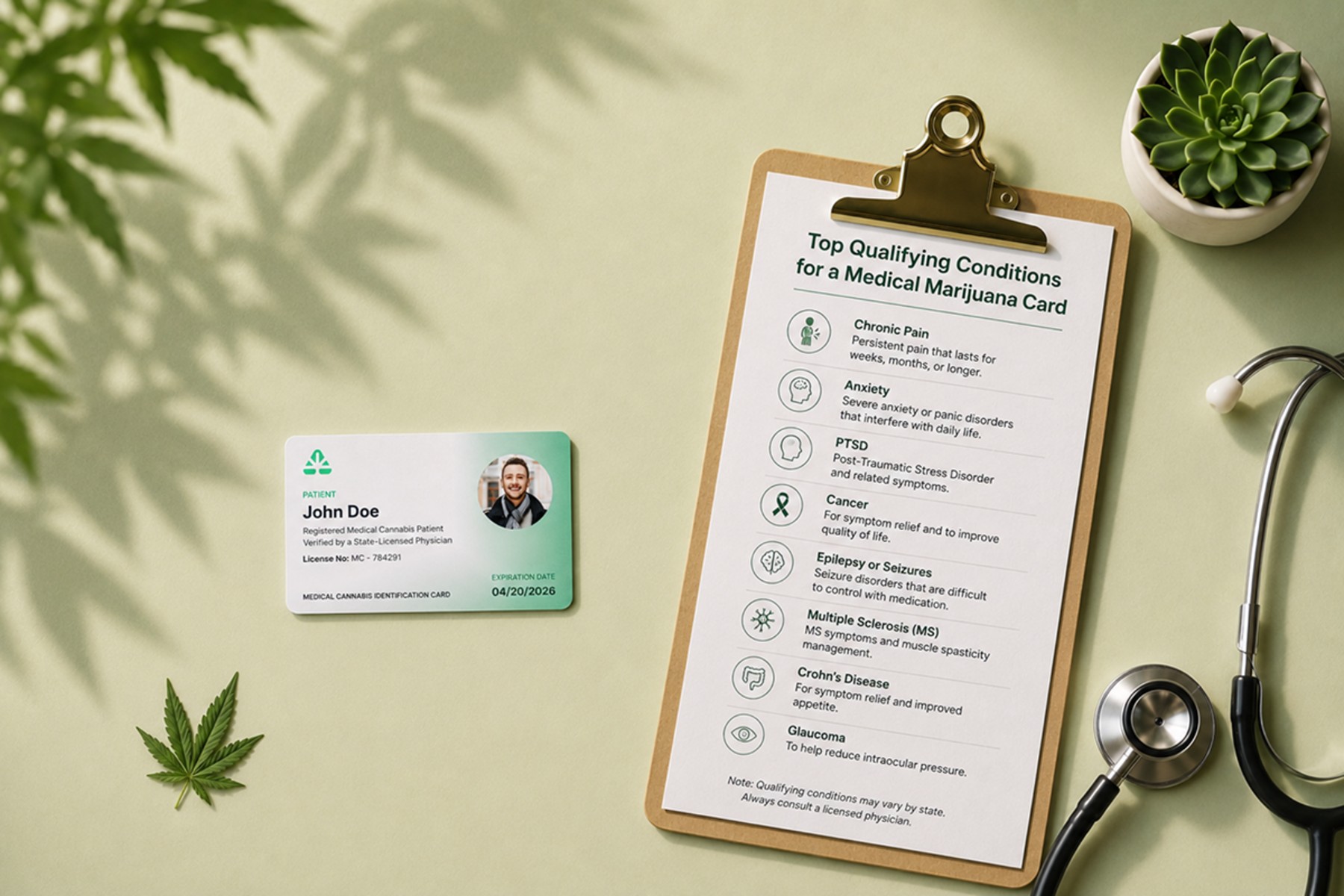
Wondering if you qualify for a medical marijuana card? Learn about the top qualifying medical conditions in 2026, including chronic pain, PTSD, anxiety, cancer, epilepsy, and more. This guide explains eligibility requirements, state differences, and how to begin the certification process with a licensed physician.

The United States is working on making the medical marijuana program more accessible for patients and trying to expand it across every state. Patients can access cannabis after being qualified by a doctor, and it is part of a physician-supervised treatment plan. The laws in every state may differ, but certification can be achieved if a patient qualifies for similar medical conditions. To understand which patients can get medical marijuana access, we are here with the Top Qualifying Conditions for a Medical Marijuana Card in 2026.

What Are Qualifying Conditions for a Medical Marijuana Card?

A qualifying condition refers to the medical condition under which a patient gets certification if they have a diagnosis or symptom recognized by a state's medical cannabis program. If a patient is suffering from any of these conditions, they may qualify to get legal access to cannabis after getting a recommendation from a certified physician.

Every state has its own eligibility requirements. Some have a fixed list of conditions, while others allow healthcare providers to recommend MMJ to individuals who need it.

Because medical marijuana laws continue to evolve, patients should always review the current requirements in their state before applying.

Common Medical Conditions That May Qualify

Several known conditions are almost present in all states for which medical marijuana is required, including:

1. Chronic or Severe Pain

Patients suffering from chronic pain mostly require medical marijuana for temporary relief. Chronic pain refers to the type of pain that lasts for more than three months. Here are several conditions causing chronic pain in patients:

  • Arthritis
  • Neuropathy
  • Fibromyalgia
  • Degenerative disc disease
  • Back injuries
  • Joint disorders
  • Chronic migraines

There are many online researchers who suggest that medical cannabis may help manage certain types of chronic pain in some patients. But the results of treatment may vary among many patients; moreover, medical cannabis is not suitable for everyone. Therefore, a healthcare provider will examine a patient and then suggest whether medical cannabis is suitable for them or not.

2. Post-Traumatic Stress Disorder (PTSD)

PTSD is one of the most common and widely recognized conditions for patients who are directed to intake MMJ. There are a few symptoms that can tell if a person is suffering from PTSD or not, including:

  • Nightmares
  • Flashbacks
  • Anxiety
  • Sleep disturbances
  • Hypervigilance
  • Difficulty concentrating

Patients have reported improvement of their symptoms after getting medical cannabis, especially regarding sleep and anxiety. But it totally depends on the condition of the patient; it is better to consult a healthcare provider for a thorough evaluation and examination, and then go for medical cannabis. Most healthcare providers consider medical cannabis as a part of a broader treatment plan rather than just opting for standalone therapy.

3. Cancer

Medical marijuana does not help in treating cancer, but it is recommended to help with cancer-related symptoms. Most states allow patients suffering from cancer to use cannabis so they can help with symptoms during treatment or disease, such as:

  • Chemotherapy-induced nausea and vomiting
  • Appetite loss
  • Weight loss (cachexia)
  • Chronic pain
  • Difficulty sleeping

It is recommended to always consult the oncology team before taking medical marijuana, as they can plan an appropriate dosage that may work along with the treatment plan.

4. Epilepsy and Seizure Disorders

Epilepsy is one of the most qualified conditions for medical cannabis. Medications made from cannabis have demonstrated benefits for several seizure disorders, which has led many states to include epilepsy among approved conditions. Depending on state regulations and a physician's evaluation, patients with seizure disorders may qualify for medical cannabis as part of their treatment plan.

5. Multiple Sclerosis (MS)

Multiple sclerosis affects the central nervous system and may cause issues like muscle stiffness and nerve pain, among others. This requires proper medical treatment alongside the best options to relieve the pain. Here are some conditions included in MS:

  • Muscle stiffness
  • Muscle spasms
  • Nerve pain
  • Fatigue
  • Mobility challenges

Some clinical studies suggest cannabis-based therapies may help reduce muscle spasticity in certain patients with MS. Eligibility depends on individual circumstances and state medical marijuana regulations.

Other Frequently Approved Medical Conditions for the MMJ Program

These were the major conditions mentioned above, but there are some other diseases as well that require the use of medical cannabis to show effectiveness in recovery, including:

Neurological Disorders

There are some neurological disorders for which patients are qualified to take medical cannabis support, including:

  • Parkinson's disease
  • Amyotrophic Lateral Sclerosis (ALS)
  • Huntington's disease
  • Certain spinal cord injuries

Doctors make sure that you are eligible for the intake of medical cannabis by evaluating your condition, going through your medical history, and then checking for any potential side effects on your body.

Gastrointestinal Disorders

There are many gastric and abdominal inflammatory diseases that require access to medical marijuana, including the following:

  • Crohn's disease
  • Ulcerative colitis
  • Inflammatory bowel disease (IBD)

If you are feeling constant abdominal pain, a reduction in appetite, nausea, and extreme weight loss, we recommend that you urgently consult a physician.

Severe Nausea and Wasting Syndromes

Many programs recognize symptoms rather than specific diagnoses. Examples include:

  • Persistent nausea
  • Cachexia (wasting syndrome)
  • Severe appetite loss
  • HIV/AIDS-related weight loss

Medical cannabis may help improve appetite and reduce nausea in certain patients under medical supervision.

How Do Qualifying Conditions for MMJ Differ by State?

Medical marijuana eligibility is not the same across the country. Some states maintain detailed lists of approved conditions, while others allow physicians greater flexibility when recommending cannabis.

For example, certain states have expanded eligibility to include:

  • Autism spectrum disorder
  • Anxiety disorders (in limited circumstances)
  • Sickle cell disease
  • Terminal illnesses
  • Additional chronic pain conditions

Other states permit healthcare providers to recommend medical cannabis whenever they believe the potential benefits outweigh the risks for an individual patient.

Because legislation changes regularly, patients should verify the current requirements in their own state before scheduling an evaluation.

How Do Physicians Determine Eligibility for an MMJ Program?

During a medical marijuana evaluation, a licensed healthcare provider typically reviews:

  • Your current diagnosis
  • Medical history
  • Previous treatments
  • Current medications
  • Supporting medical documentation
  • Your state's medical marijuana regulations

Approval is based on professional medical judgment and applicable state law. Having a qualifying condition does not automatically guarantee certification.

Is Medical Marijuana Right for Everyone?

Medical cannabis is not appropriate for every patient. Certain medical conditions, medications, pregnancy, or a history of psychotic disorders may affect whether cannabis is recommended. Healthcare providers consider each patient's medical history, current symptoms, and potential risks before issuing a certification.

Patients should never discontinue prescribed medications or begin using medical cannabis without first consulting a qualified healthcare professional.

Final Thoughts

The top qualifying conditions for a Medical Marijuana Card in 2026 may vary in different states, but we advise you to consult a certified physician who can evaluate you better. Not only this, but if you have a proper MMJ certification, you can get access to MMJ support programs, discounts on dosage, and legal access to medical marijuana within the state. To book an online consultation for a medical marijuana program , contact us right now!

Home/Blogs/Top Qualifying Conditions for a Medical Marijuana Card in 2026
▤Guide

Top Qualifying Conditions for a Medical Marijuana Card in 2026

◳July 9, 2026
◷6 min read
Top Qualifying Conditions for a Medical Marijuana Card in 2026
≡

Table of Contents

  • What Are Qualifying Conditions for a Medical Marijuana Card?
  • Common Medical Conditions That May Qualify
  • Other Frequently Approved Medical Conditions for the MMJ Program
  • How Do Qualifying Conditions for MMJ Differ by State?
  • How Do Physicians Determine Eligibility for an MMJ Program?
  • Is Medical Marijuana Right for Everyone?
  • Final Thoughts

The United States is working on making the medical marijuana program more accessible for patients and trying to expand it across every state. Patients can access cannabis after being qualified by a doctor, and it is part of a physician-supervised treatment plan. The laws in every state may differ, but certification can be achieved if a patient qualifies for similar medical conditions. To understand which patients can get medical marijuana access, we are here with the Top Qualifying Conditions for a Medical Marijuana Card in 2026.

What Are Qualifying Conditions for a Medical Marijuana Card?

A qualifying condition refers to the medical condition under which a patient gets certification if they have a diagnosis or symptom recognized by a state's medical cannabis program. If a patient is suffering from any of these conditions, they may qualify to get legal access to cannabis after getting a recommendation from a certified physician.

Every state has its own eligibility requirements. Some have a fixed list of conditions, while others allow healthcare providers to recommend MMJ to individuals who need it.

Because medical marijuana laws continue to evolve, patients should always review the current requirements in their state before applying.

Common Medical Conditions That May Qualify

Several known conditions are almost present in all states for which medical marijuana is required, including:

1. Chronic or Severe Pain

Patients suffering from chronic pain mostly require medical marijuana for temporary relief. Chronic pain refers to the type of pain that lasts for more than three months. Here are several conditions causing chronic pain in patients:

  • Arthritis
  • Neuropathy
  • Fibromyalgia
  • Degenerative disc disease
  • Back injuries
  • Joint disorders
  • Chronic migraines

There are many online researchers who suggest that medical cannabis may help manage certain types of chronic pain in some patients. But the results of treatment may vary among many patients; moreover, medical cannabis is not suitable for everyone. Therefore, a healthcare provider will examine a patient and then suggest whether medical cannabis is suitable for them or not.

2. Post-Traumatic Stress Disorder (PTSD)

PTSD is one of the most common and widely recognized conditions for patients who are directed to intake MMJ. There are a few symptoms that can tell if a person is suffering from PTSD or not, including:

  • Nightmares
  • Flashbacks
  • Anxiety
  • Sleep disturbances
  • Hypervigilance
  • Difficulty concentrating

Patients have reported improvement of their symptoms after getting medical cannabis, especially regarding sleep and anxiety. But it totally depends on the condition of the patient; it is better to consult a healthcare provider for a thorough evaluation and examination, and then go for medical cannabis. Most healthcare providers consider medical cannabis as a part of a broader treatment plan rather than just opting for standalone therapy.

3. Cancer

Medical marijuana does not help in treating cancer, but it is recommended to help with cancer-related symptoms. Most states allow patients suffering from cancer to use cannabis so they can help with symptoms during treatment or disease, such as:

  • Chemotherapy-induced nausea and vomiting
  • Appetite loss
  • Weight loss (cachexia)
  • Chronic pain
  • Difficulty sleeping

It is recommended to always consult the oncology team before taking medical marijuana, as they can plan an appropriate dosage that may work along with the treatment plan.

4. Epilepsy and Seizure Disorders

Epilepsy is one of the most qualified conditions for medical cannabis. Medications made from cannabis have demonstrated benefits for several seizure disorders, which has led many states to include epilepsy among approved conditions. Depending on state regulations and a physician's evaluation, patients with seizure disorders may qualify for medical cannabis as part of their treatment plan.

5. Multiple Sclerosis (MS)

Multiple sclerosis affects the central nervous system and may cause issues like muscle stiffness and nerve pain, among others. This requires proper medical treatment alongside the best options to relieve the pain. Here are some conditions included in MS:

  • Muscle stiffness
  • Muscle spasms
  • Nerve pain
  • Fatigue
  • Mobility challenges

Some clinical studies suggest cannabis-based therapies may help reduce muscle spasticity in certain patients with MS. Eligibility depends on individual circumstances and state medical marijuana regulations.

Other Frequently Approved Medical Conditions for the MMJ Program

These were the major conditions mentioned above, but there are some other diseases as well that require the use of medical cannabis to show effectiveness in recovery, including:

Neurological Disorders

There are some neurological disorders for which patients are qualified to take medical cannabis support, including:

  • Parkinson's disease
  • Amyotrophic Lateral Sclerosis (ALS)
  • Huntington's disease
  • Certain spinal cord injuries

Doctors make sure that you are eligible for the intake of medical cannabis by evaluating your condition, going through your medical history, and then checking for any potential side effects on your body.

Gastrointestinal Disorders

There are many gastric and abdominal inflammatory diseases that require access to medical marijuana, including the following:

  • Crohn's disease
  • Ulcerative colitis
  • Inflammatory bowel disease (IBD)

If you are feeling constant abdominal pain, a reduction in appetite, nausea, and extreme weight loss, we recommend that you urgently consult a physician.

Severe Nausea and Wasting Syndromes

Many programs recognize symptoms rather than specific diagnoses. Examples include:

  • Persistent nausea
  • Cachexia (wasting syndrome)
  • Severe appetite loss
  • HIV/AIDS-related weight loss

Medical cannabis may help improve appetite and reduce nausea in certain patients under medical supervision.

How Do Qualifying Conditions for MMJ Differ by State?

Medical marijuana eligibility is not the same across the country. Some states maintain detailed lists of approved conditions, while others allow physicians greater flexibility when recommending cannabis.

For example, certain states have expanded eligibility to include:

  • Autism spectrum disorder
  • Anxiety disorders (in limited circumstances)
  • Sickle cell disease
  • Terminal illnesses
  • Additional chronic pain conditions

Other states permit healthcare providers to recommend medical cannabis whenever they believe the potential benefits outweigh the risks for an individual patient.

Because legislation changes regularly, patients should verify the current requirements in their own state before scheduling an evaluation.

How Do Physicians Determine Eligibility for an MMJ Program?

During a medical marijuana evaluation, a licensed healthcare provider typically reviews:

  • Your current diagnosis
  • Medical history
  • Previous treatments
  • Current medications
  • Supporting medical documentation
  • Your state's medical marijuana regulations

Approval is based on professional medical judgment and applicable state law. Having a qualifying condition does not automatically guarantee certification.

Is Medical Marijuana Right for Everyone?

Medical cannabis is not appropriate for every patient. Certain medical conditions, medications, pregnancy, or a history of psychotic disorders may affect whether cannabis is recommended. Healthcare providers consider each patient's medical history, current symptoms, and potential risks before issuing a certification.

Patients should never discontinue prescribed medications or begin using medical cannabis without first consulting a qualified healthcare professional.

Final Thoughts

The top qualifying conditions for a Medical Marijuana Card in 2026 may vary in different states, but we advise you to consult a certified physician who can evaluate you better. Not only this, but if you have a proper MMJ certification, you can get access to MMJ support programs, discounts on dosage, and legal access to medical marijuana within the state. To book an online consultation for a medical marijuana program , contact us right now!

← Back to All ArticlesVisit FAQ Page →
⚕

Ready to Get Your MMJ Card?

Book your online evaluation today with a state-licensed physician. Fast, secure, and fully compliant with your state's medical marijuana program.

How It Works

Related Articles

How to Renew Your Medical Marijuana Card Online in 2026?
Guide
◷3 min read

How to Renew Your Medical Marijuana Card Online in 2026?

Renewing your medical marijuana card online is easier when you understand the process. This step-by-step guide explains physician evaluations, state renewal requirements, processing times, fees, and helpful tips to keep your MMJ certification active and avoid interruptions in access to medical cannabis.

Is a Medical Marijuana Card Worth It in 2026?
Guide
◷6 min read

Is a Medical Marijuana Card Worth It in 2026?

As medical cannabis programs continue to evolve across the United States, many patients are asking whether obtaining a medical marijuana card is still worth it in 2026. This guide explores the potential benefits, costs, eligibility requirements, legal considerations, and how a medical marijuana card may provide access to professional healthcare guidance and state-approved medical cannabis programs.